

Ankle Surgery
- Operations
- Operation
-
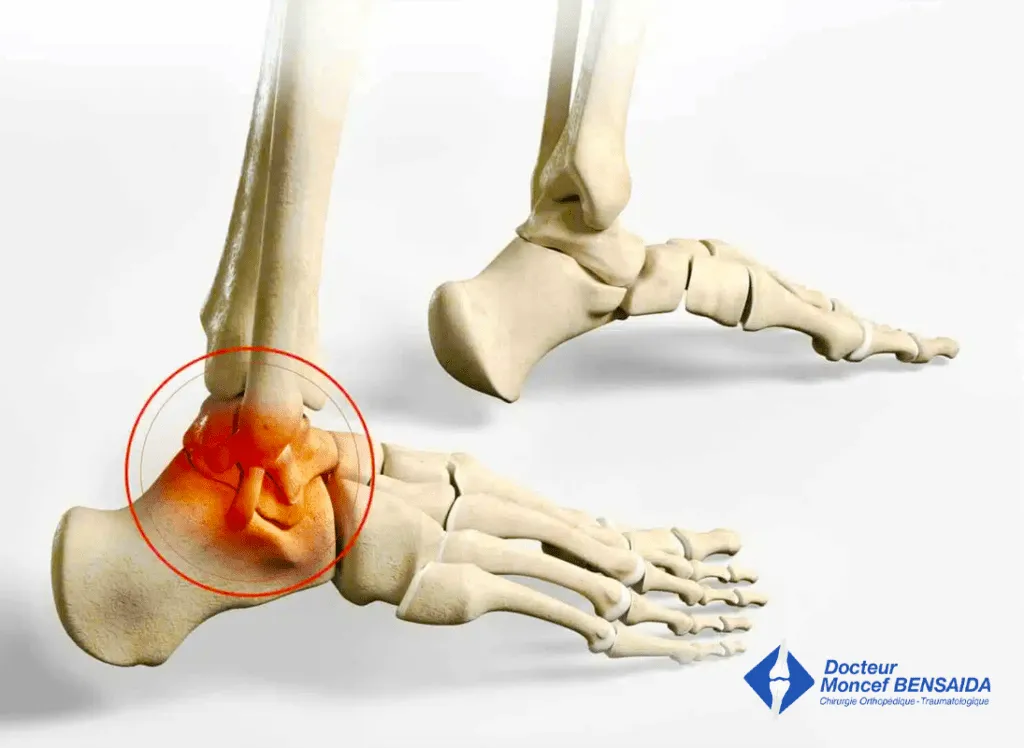
Ankle Ligamentoplasty
Repeated sprains reduce the ability of the external lateral ligament to heal spontaneously in an effective position, thereby reducing ankle stability. We then speak of ankle instability responsible for pain, sensations of letting go or slipping away.
Read more -
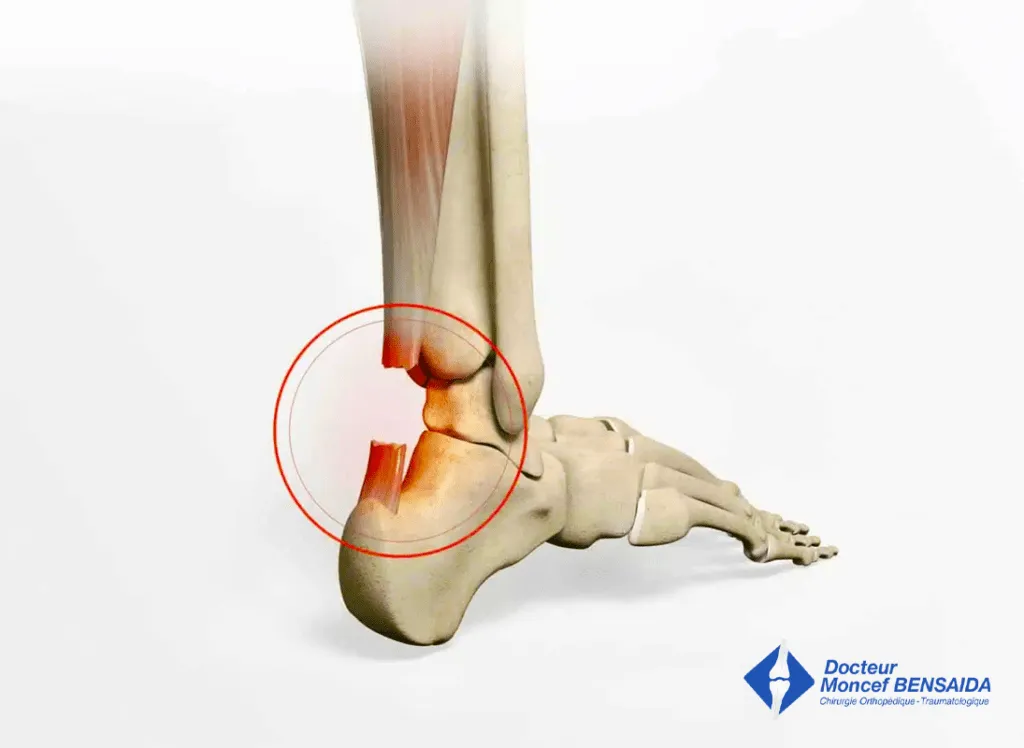
Achilles Tendon Repair
Over time or during repeated stress, the tendon filaments can weaken and the tendon can then suddenly rupture during exercise. We distinguish between recent or fresh ruptures and old ruptures.
Read more -
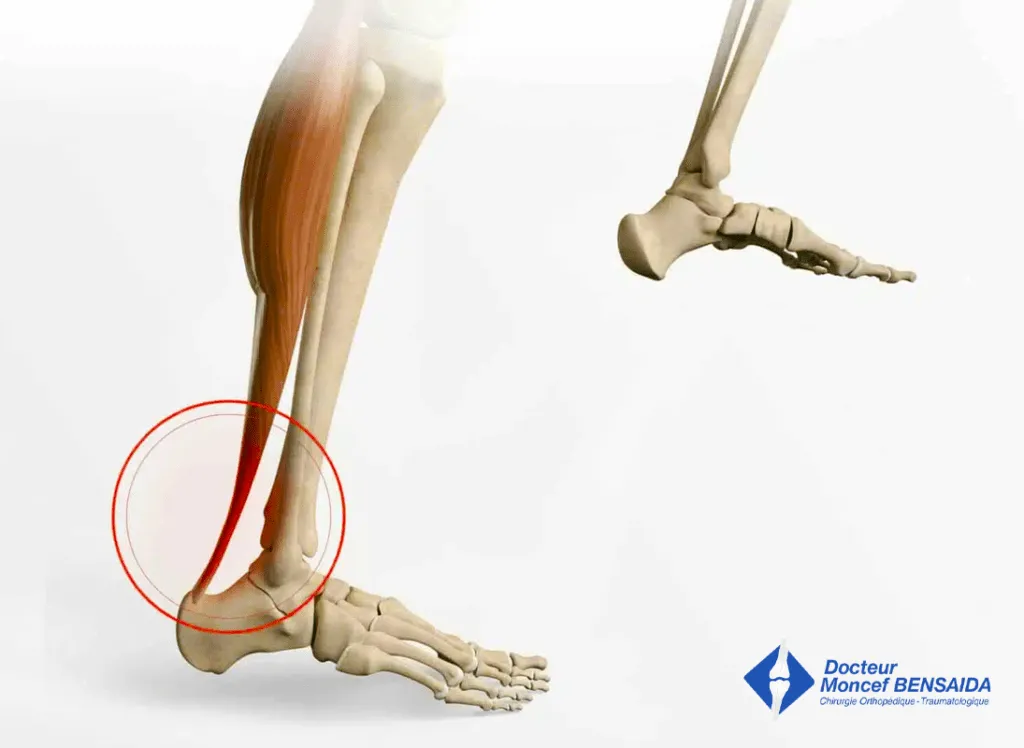
Fibular Stabilization
When the peroneal tendons are damaged or unstable, it is called peroneal tendon pathology. Peroneal tendon surgery involves correcting, repairing or removing damaged parts of the peroneal tendons.
Read more -
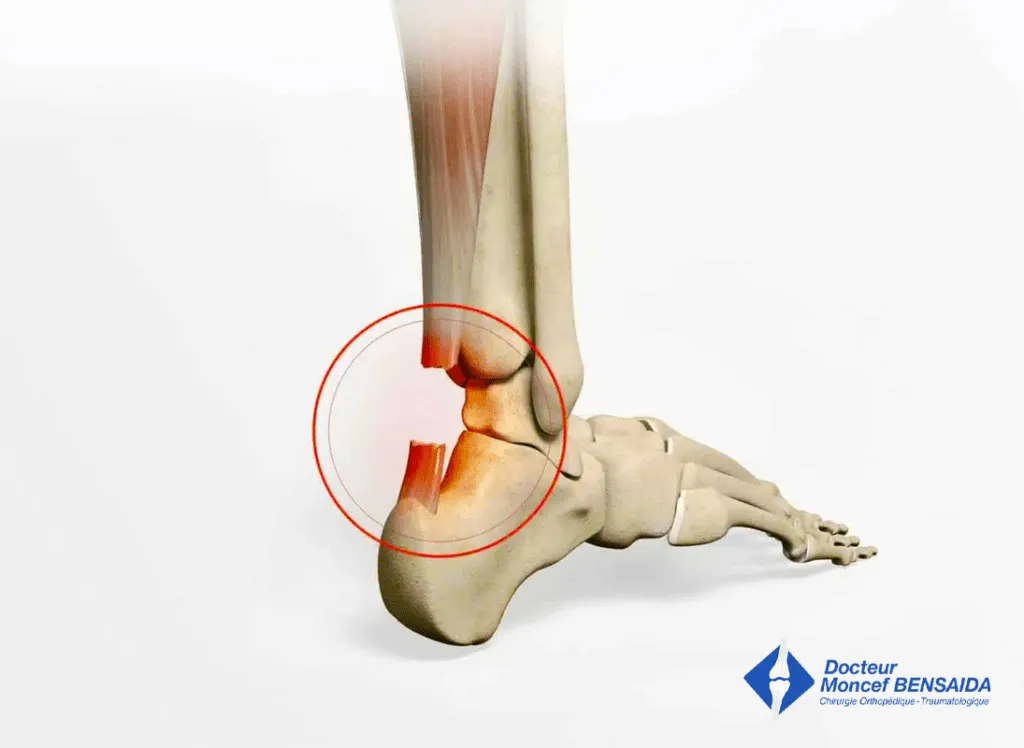
Combing The Achilles Tendon
Rupture of the Achilles tendon is a pathology that is often observed among athletes. This rupture can occur following tendonitis of the Achilles tendon or because of degeneration of the tendon fibers linked to excess weight or dehydration.
Read more
-
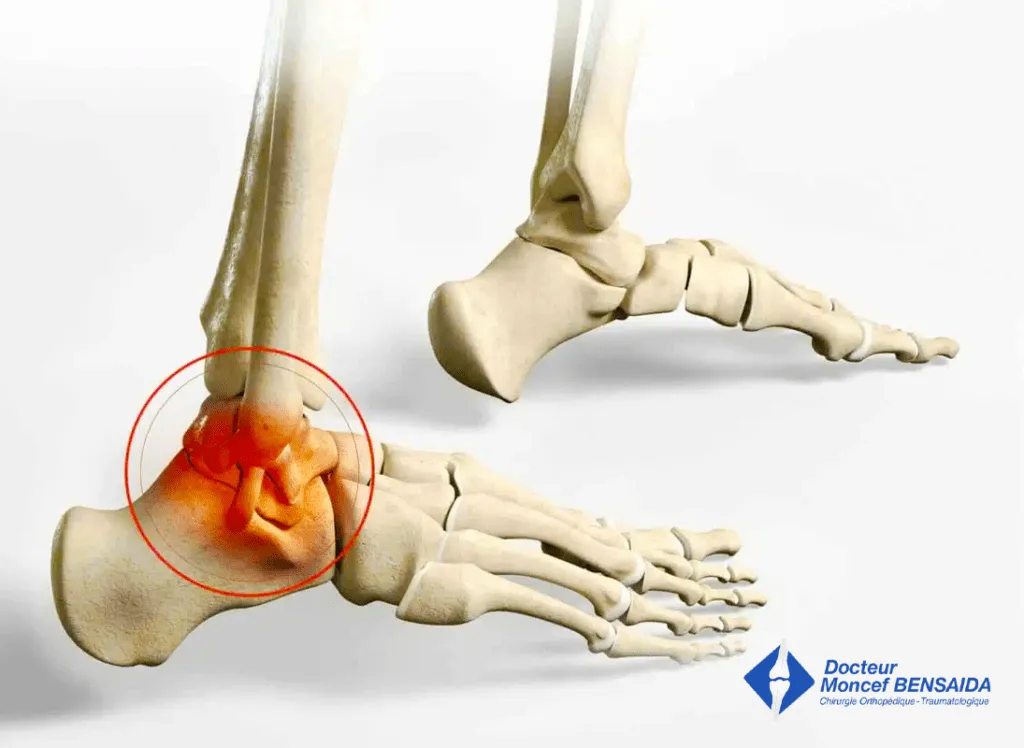
Arthroscopy Of The Ankle
When the patient suffers from ankle instability, he has the sensation that it is giving way, becoming loose and cannot be controlled. An ankle can be unstable for different reasons, and most of the time, a ligament deficit is the cause.
Read more -
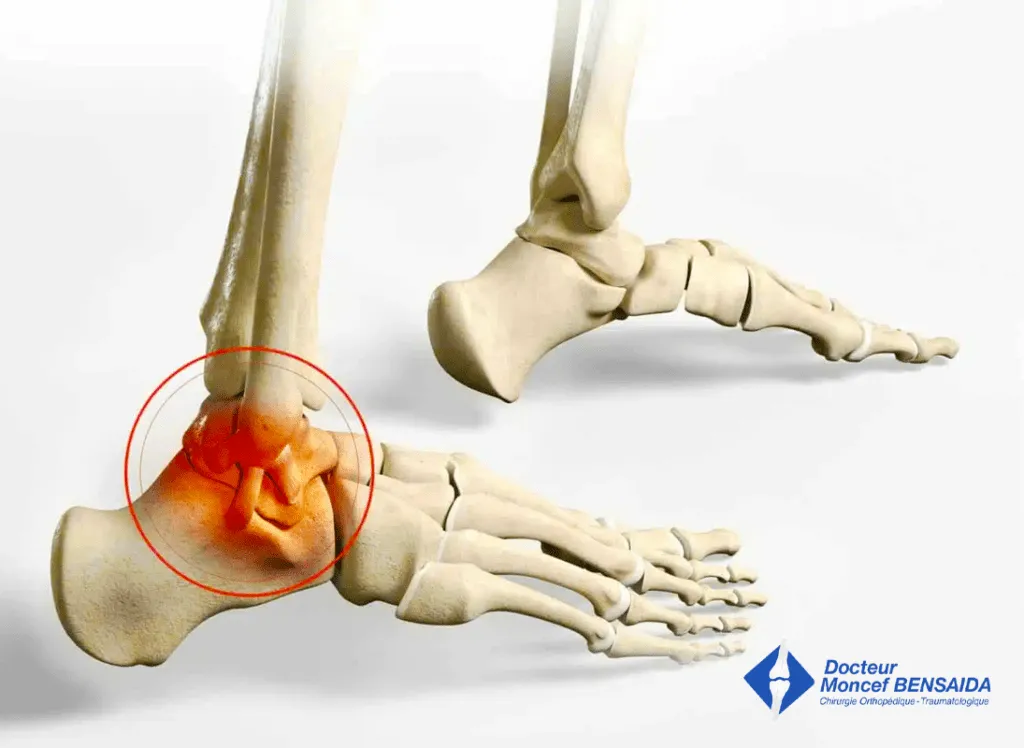
Anterior Arthrolysis Of The Ankle
Ankle joint impingement causes severe pain in the patient’s foot and loss of mobility. This pathology which causes friction, micro trauma and premature wear of the ankle joint can be favored by intensive sports practice.
Read more -

Treatment Of Osteochondritis
Osteochondritis is defined as an abnormality of the bones and cartilage. This pathology can be caused or favored by various risk factors such as intense movements, repeated strain on the joint, too sudden physical activity, and many others.
Read more